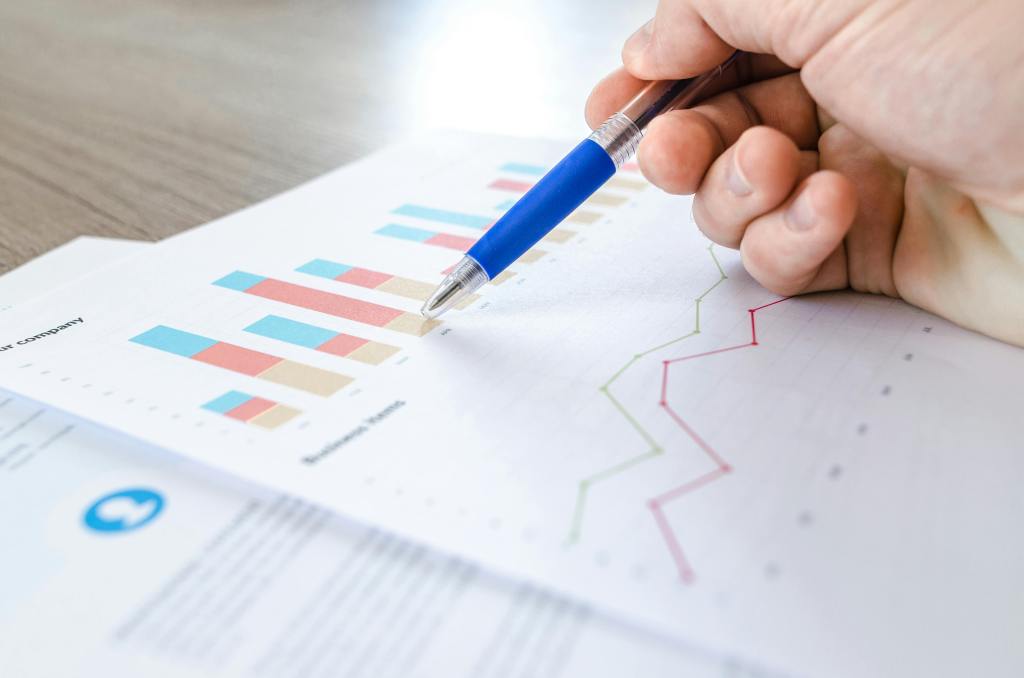
Management guru Peter Drucker once said, “only what gets measured, gets managed.”
After taking the decision to sort things out yesterday, I checked my Personal Finance spreadsheet only to notice that as of today (July 2024) I had not updated my tracker since November 2023. 8 months have passed since I truly sat down and logged my balances across various current accounts, credit cards, a new personal loan I took out to pay off my credit cards earlier this year and my investment accounts.
As you can imagine, things had gone downhill. The credit cards that I paid off with a loan had slowly started to creep up again. Last night I sat down and took a full assessment of how things are currently looking. I made a new spreadsheet as I am not wanting to compare my current situation with that of 1/2/3 years ago but as of right now and how things proceed moving forward.
Current Situation
At this moment in time, I have a net worth of negative £6,800. I am only taking into consideration bank balances, although I have a few assets that are worth something (reasonably nice watch, cheap car, expensive Macbook) I do not feel that they are relevant to this situation. The balance on my loan I have included the full amount if I stick to the payment schedule for the next 18 months, looking into detail, if I were able to pay this off today, the balance would drop significantly to £4080. So early repayments on this will knock off a decent chunk of my debt.
Yesterday I had one of my accounts extended at 0% for another year. When I left for university I was advised to open a student overdraft account with the option of having up to £3000 of credit with no interest until 1 year after I left university. It has now been close to 5 years and for some reason I am still on a 0% interest account, I have paid that down by half and so the balance is only £1500 at this point but I have not made any further payments in the last year. Next week they would begin to charge interest but whilst I was running errands yesterday I thought I would see if it can be extended another year to allow me some more time to pay this off seeing as I am going back into education next month for my teacher training. They agreed to do this no questions asked which I am very grateful for.
Maybe this was a mistake as whilst it is 0% interest, I have had no real desire to pay it off, the money has been spent and for 5 years there has been no incentive to pay it off as there are no consequences for not doing so. We will see.
Drastic Action
I am due to be paid later today, so assessing my network the day before payday may have been the best option rather than on payday as I previously would. There is a significantly lower balance on my accounts which will help give me a kick to make a change.
Prioritising my goals and steps
I have in the past used the Debt Snowball when approaching paying off debts with much more success than the Debt Avalanche. For those that don’t know the difference I have copied the descriptions for both below from Wells Fargo:
“The “snowball method,” simply put, means paying off the smallest of all your loans as quickly as possible. Once that debt is paid, you take the money you were putting toward that payment and roll it onto the next-smallest debt owed”
“In contrast, the “avalanche method” focuses on paying the loan with the highest interest rate loans first. Similar to the “snowball method,” when the higher-interest debt is paid off, you put that money toward the account with the next highest interest rate and so on, until you are done.”
Paying off lower credit card balances quickly will give me quick instant wins that will encourage me to attack the larger balances and boost my confidence that I am making progress.
For example, if I were to throw £1000 at a credit card with a £1300 balance owed, whilst still having £600 or so across 3 other credit cards (as is my current position), then I would have still have 4 credit cards with debt. However, if I pay off 3 cards in 1 go, and then make contributions to the £1300 balance, then I will still be making progress but mentally, I am already 75% of the way there by getting rid of 3 separate balances.
Additionally, as I am planning on doing this in an aggressive manner, paying them off like this shouldn’t make much of a difference to the total amount as the interest accrued will be roughly £20/30 more in total. By paying off 3 cards, I will also reduce the number of monthly payments I am making significantly as there are now 3 new payments totalling roughly £100 per month that can go towards other things, such as making overpayments on my loan.
Thanks to the invention of Fintec, I am able to see how overpayments on my personal loan will affect the total balance, and how they will reduce the interest accrued. Earlier this month I paid my monthly payment a few weeks early, this reduced the total balance by roughly £10 and reduced the monthly payments by £1 per month or so. If I can continue to make the usual £250 per month contributions whilst making additional payments when the opportunity happens through side income, then I will be able to rapidly pay this down.
Staying accountable
I have listed all my debts smallest to highest and set dates for when I will pay them off.
Fortunately, whilst I am returning to my studies, I will be receiving a fairly sizeable bursary monthly which is significantly more than my current take home from my job. I already know the schedule for these payments and so long as I stick to my budget, I should be able make vast strides towards being debt free by the end of the year.
I have also given myself goals for savings and investment accounts, this blog is not just about getting myself debt free but to building my future and that means hitting positive finance goals.
Thank you for reading my 2nd post
Mr S

 Path to Freedom Blog
Leave a comment